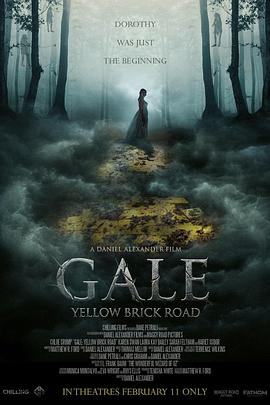
Dorothy, now an elderly woman haunted by her past, tries to warn her granddaughter Emily before dark forces pull her into Oz, a once familiar land now twisted by horrors.
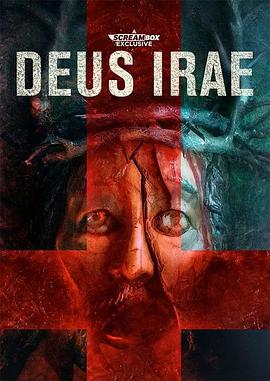
When, at the beginning of Deus Irae, Father Javier stares at a crucifix, his expressions and his hands suggest that the nerves are consuming him. A flashback reveals that this priest devotes his life to visiting families that claim to have seen things that do not belong to this world and cleansing their homes from the demons that try to possess them. But, upon returning to those houses, he notices that the evidence is always destroyed. This way, he discovers that a clan is after him, and must decide whether to hide from them or join them. In times when horror cinema tends to fall into the hands of directors that seek to build narratives that are introspective and close to reality, Pedro Cristiani goes back to old-school horror, where gore and the physical experience are above any other kind of feeling. A cinema that places the camera in front of the faces of the bloodiest demons and, instead of giving logic to them, chooses to face them whatever the cost.
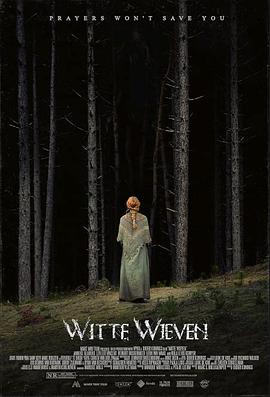
Didier Konings’ simmering mediaeval horror Witte Wieven explores the confluence of religion and patriarchy in an excessively puritanical Dutch village. Blamed by her community for being childless, Frieda immerses herself in prayer and ritual. When she returns unscathed from the forbidden forest surrounding the village, having evaded a lecherous butcher, she is condemned as an agent of the devil. Frieda, however, finds new faith in the dark powers that inhabit the woods.
Shot in a reduced colour palette at the edge of visibility, Konings’ gripping film constructs a convincing pre-modern society whose practices it elucidates with patience and attention. Although set in the Middle Ages, Witte Wieven displays an unmistakably contemporary spirit, crafting a feminist parable about women discovering new ways of understanding their lives and the world.