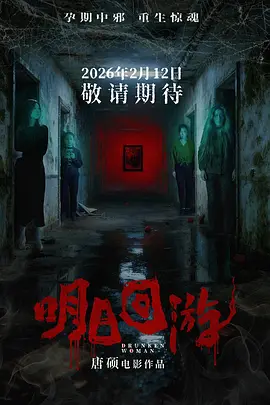
在美国一个山村里面,村民不相信医生,也不相信基督教,他们有他们自己的信仰——坑井。原来在很久之前,村子里面是有教堂的,但突然有一天,村民得了一种怪病,无法医治,当然连神父的祷告也没有用了。这是有一个陶瓷匠突然得到坑井的提示,在无意识中从坑井中取出泥土,经过加工作出人面陶罐。等他在村民面前展示陶罐,村民发现,这个陶罐上的样子,便正是神父的样子。村民各种办法都用尽了,最后只好相信陶瓷匠的说法,把神父祭献给坑井,用浸染了神父的血的坑水来沐浴,所有的人的病都得救了,于是这个村里面就有这样的传统,如若陶瓷匠得到神谕,会烧造人面陶罐,陶罐上是谁的脸,那人便要祭献给坑井,如若违反,必将陆续有人遭到坑井的报应。也不知过了多少年,陶瓷匠也换了人,现在担任这个职位的是个性憨直的达维Dawai(肖恩·布里吉斯 Sean Bridgers),有一天他得到神谕,无意识中做出了陶罐,却在烧铸好之后不见了,他也不知陶罐上的样子是谁的。原来是他的朋友少女艾达Ada(劳伦·阿什利·卡特 Lauren Ashley Carter )发现了陶罐,偷走了陶罐。因为陶罐上正是她的样子。正因为如此,报应不断地降临到村民身上。少女也发现,她怀孕了,孩子的父亲正是······
Fleeing from their violent father, siblings Luci?a and Adria?n take refuge in a remote mansion. With the help of a hidden micro-camera on a cat, Luci?a uncovers a terrifying secret: their neighbors are part of a criminal network that kidnaps teenage girls to make snuff films, and they intend to get rid of the siblings. As Lucía fights to protect her brother, she must face a dark family curse that follows them into their newfound sanctuary.
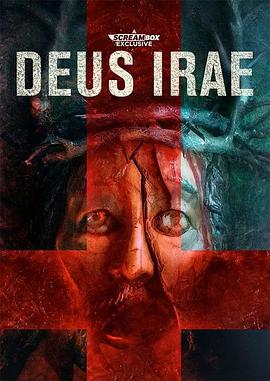
When, at the beginning of Deus Irae, Father Javier stares at a crucifix, his expressions and his hands suggest that the nerves are consuming him. A flashback reveals that this priest devotes his life to visiting families that claim to have seen things that do not belong to this world and cleansing their homes from the demons that try to possess them. But, upon returning to those houses, he notices that the evidence is always destroyed. This way, he discovers that a clan is after him, and must decide whether to hide from them or join them. In times when horror cinema tends to fall into the hands of directors that seek to build narratives that are introspective and close to reality, Pedro Cristiani goes back to old-school horror, where gore and the physical experience are above any other kind of feeling. A cinema that places the camera in front of the faces of the bloodiest demons and, instead of giving logic to them, chooses to face them whatever the cost.
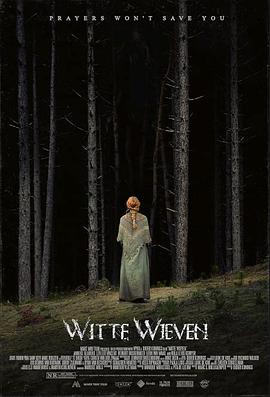
Didier Konings’ simmering mediaeval horror Witte Wieven explores the confluence of religion and patriarchy in an excessively puritanical Dutch village. Blamed by her community for being childless, Frieda immerses herself in prayer and ritual. When she returns unscathed from the forbidden forest surrounding the village, having evaded a lecherous butcher, she is condemned as an agent of the devil. Frieda, however, finds new faith in the dark powers that inhabit the woods.
Shot in a reduced colour palette at the edge of visibility, Konings’ gripping film constructs a convincing pre-modern society whose practices it elucidates with patience and attention. Although set in the Middle Ages, Witte Wieven displays an unmistakably contemporary spirit, crafting a feminist parable about women discovering new ways of understanding their lives and the world.