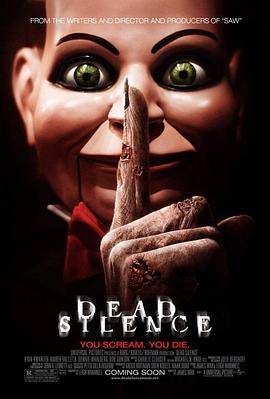
童谣本应该充满欢声笑语,但世界上偏偏有这么一些童谣,让人听了毛骨悚然。小镇拉文斯•法尔就流传着这样一个恐怖的童谣:小心来自玛丽•肖的凝视;她没有孩子,只有玩偶;如果你看到她,不要尖叫;否则她会扯开你的嘴巴撕掉你的舌头。这个小镇一直就在笼罩在这个童谣的诅咒之下,只要有玩偶出现的地方,就有人遇害,死状一样,都是舌头被割下。 吉米(瑞恩•科万顿 Ryan Kwanten 饰)和萨丽新婚不久,就决定搬离这个受诅咒的地方,但最终萨丽还是没有逃脱这个诅咒。悲伤不已的吉米决定送妻子的尸骸返回家乡,并着手调查这个笼罩在整个小镇头上的恐怖诅咒。随着调查的深入,吉米发现了这首童谣背后的另一个真相。
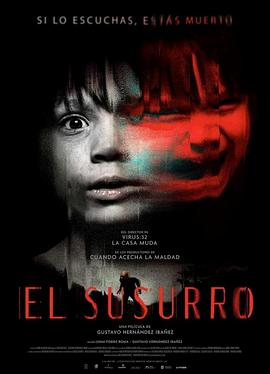
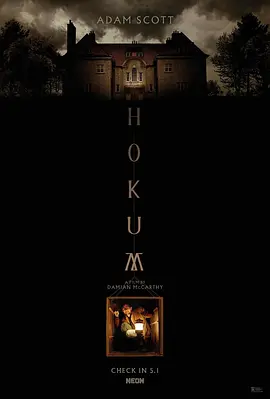
Fleeing from their violent father, siblings Luci?a and Adria?n take refuge in a remote mansion. With the help of a hidden micro-camera on a cat, Luci?a uncovers a terrifying secret: their neighbors are part of a criminal network that kidnaps teenage girls to make snuff films, and they intend to get rid of the siblings. As Lucía fights to protect her brother, she must face a dark family curse that follows them into their newfound sanctuary.
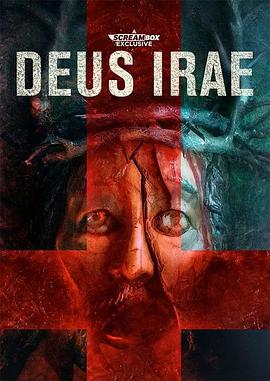
When, at the beginning of Deus Irae, Father Javier stares at a crucifix, his expressions and his hands suggest that the nerves are consuming him. A flashback reveals that this priest devotes his life to visiting families that claim to have seen things that do not belong to this world and cleansing their homes from the demons that try to possess them. But, upon returning to those houses, he notices that the evidence is always destroyed. This way, he discovers that a clan is after him, and must decide whether to hide from them or join them. In times when horror cinema tends to fall into the hands of directors that seek to build narratives that are introspective and close to reality, Pedro Cristiani goes back to old-school horror, where gore and the physical experience are above any other kind of feeling. A cinema that places the camera in front of the faces of the bloodiest demons and, instead of giving logic to them, chooses to face them whatever the cost.
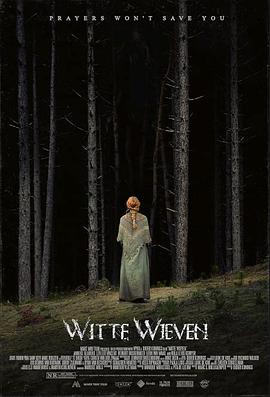
Didier Konings’ simmering mediaeval horror Witte Wieven explores the confluence of religion and patriarchy in an excessively puritanical Dutch village. Blamed by her community for being childless, Frieda immerses herself in prayer and ritual. When she returns unscathed from the forbidden forest surrounding the village, having evaded a lecherous butcher, she is condemned as an agent of the devil. Frieda, however, finds new faith in the dark powers that inhabit the woods.
Shot in a reduced colour palette at the edge of visibility, Konings’ gripping film constructs a convincing pre-modern society whose practices it elucidates with patience and attention. Although set in the Middle Ages, Witte Wieven displays an unmistakably contemporary spirit, crafting a feminist parable about women discovering new ways of understanding their lives and the world.