對一個生於南部小鎮貧苦家庭的孩子來說,生活就是愁悶。雖然家有慈母,父親的臭脾氣實在嚇人,壞心腸的玩伴們更是不消提,全能全知的上帝又無時無刻不在監視著我們的一舉一動。直至姨媽的降臨,音樂與色彩才第一次進入生命,只可惜快樂的時光總是如此短暫……
影片根據John Kennedy Tooler的小說改編,由曾執導過《遠方的聲音》(Distant Voices, Still Lives)和《長日將盡》(The Long Day Closes)的導演泰倫斯戴維斯(Terence Davies)執導,影片還曾經參加當年康城影展金棕櫚大獎的角逐。影片通過一個不速之客的闖入,展現了生活中的一個感人的成長故事。或許很多人都曾有過類似的經歷,一個貌不驚人的小變動卻能給人生帶來突破性的轉捩,影片中那種淡淡的味道極富生活氣息,同時又能在平淡中打動觀眾的心。
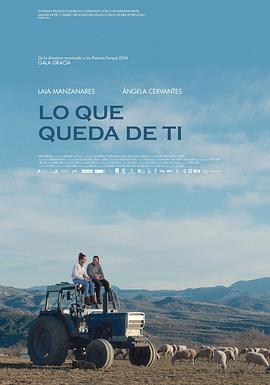
The film tells the story of young Sara who, after the sudden death of her father, gives up her future as a jazz pianist in New York to face her family's past as an organic livestock farmer in the Pyrenees. An exotic mix of music, rural surroundings and family ties that create a story about the strength of going back to your roots.
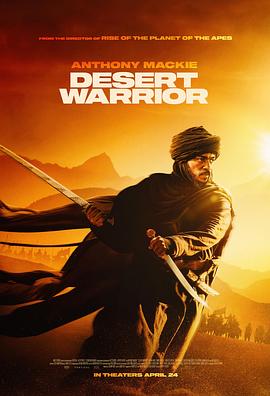
7th century Arabia. A time of feuding tribes vying for power and supremacy. Courageous Princess Hind (Aiysha Hart) refuses to serve as concubine to the merciless Sassanid Emperor Kisra (Sir Ben Kingsley). Escaping with her father King Numan into the vast and unforgiving desert, Hind is pursued by Kisra’s mercenary and his bloodthirsty troops. Father and daughter are forced to trust a mysterious bandit (Anthony Mackie). Against all odds, Hind unites the fractious tribes against the powerful invading military of the Sassanid Empire. In an epic showdown, the Battle of Ze Qar will forever change the Arabian Peninsula and echo throughout history.
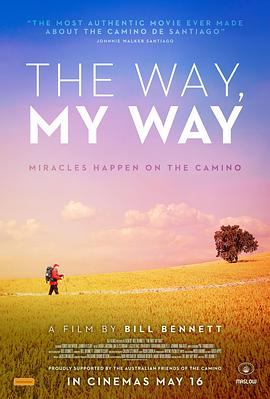
In 2013, an Australian man a few months shy of turning 60 decided to walk the Camino de Santiago – an 800km pilgrimage trail across the top of Spain. He had no known religion, and absolutely no idea why he felt so deeply compelled to do this torturous walk.
But compelled, he was.
He completed the walk, battling a “triumvirate of pain” - a knee that he later discovered lacked any meaningful cartilage, a blister the sight of which would make a grown man weep, and shin-soreness that felt like his lower limb had been split with a mountain axe wielded by a demented troll.
Arriving at the end of the Camino, the majestic cathedral in Santiago de Compostela, he expected an epiphany – an answer to the question he’d been asking himself every day: Why am I doing this?
But no answer came.
So when he got home he wrote a book, hoping the answer would reveal itself in his scribblings. The result was The Way, My Way, a humourous and self-deprecating book that many consider the best memoir ever written on walking the Camino.
The book has now been made into a film, and it’s an extraordinary account of a man at a pivotal point in his life, searching for meaning and finding himself undergoing a fundamental transformation so profound that he now divides his life into “Before the Camino” and “After the Camino.”
It’s a story particular to one man, yet of appeal to anyone seeking a greater meaning from life.